The Thunder-Leg Sky Thrust
Trail Log · Movement Breakdown
Alright, imagine this: you've got a heavy barbell sitting on your shoulders, and you're about to do the world's most aggressive half-squat followed by a violent drive that sends that bar soaring overhead. That's the power jerk, and it's the kind of movement that makes bystanders take a step back — partly out of respect and partly out of self-preservation.
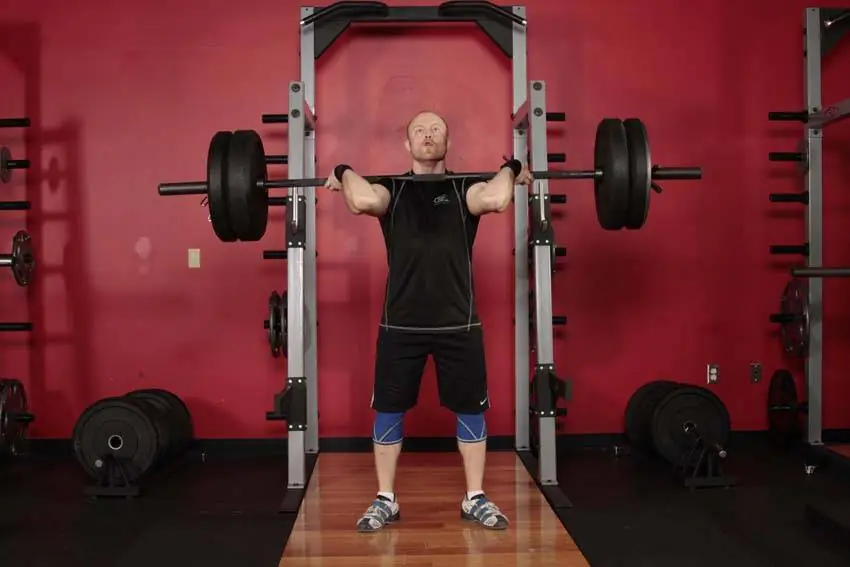
You start standing with the bar resting on the front of your shoulders, feet directly under your hips. The first move is a short, quick dip — you bend your knees slightly without pushing your hips backward. It's a tiny, controlled descent, like you're compressing a spring. Then you reverse direction as violently as possible, driving through your heels to generate maximum upward force on the bar.
As the bar leaves your shoulders, you split your feet — one forward, one back — and drop underneath the weight to catch it with your arms locked overhead. Your feet land in a slightly wider stance with your knees partially bent, absorbing the weight like shock absorbers on a truck that just hit a pothole. Once you've received the bar overhead, you return to a standing position with the weight still locked out above you. The power jerk is all about speed and timing — the bar has to be moving fast enough that you can get under it before gravity wins. It's an Olympic lifting essential that builds legs like tree trunks and shoulders like boulders, and it looks incredibly cool when you nail it.