The Foam-Kneaded Back Spine Relief
Trail Log · Movement Breakdown
If you've ever had someone dig their elbow into the knot between your shoulder blades and you simultaneously wanted to scream and say 'thank you,' you understand the appeal of foam rolling your rhomboids. These muscles — the ones between your spine and your shoulder blades that work overtime every time you pull something toward you — are chronic tension hoarders, and the foam roller is here to serve an eviction notice.
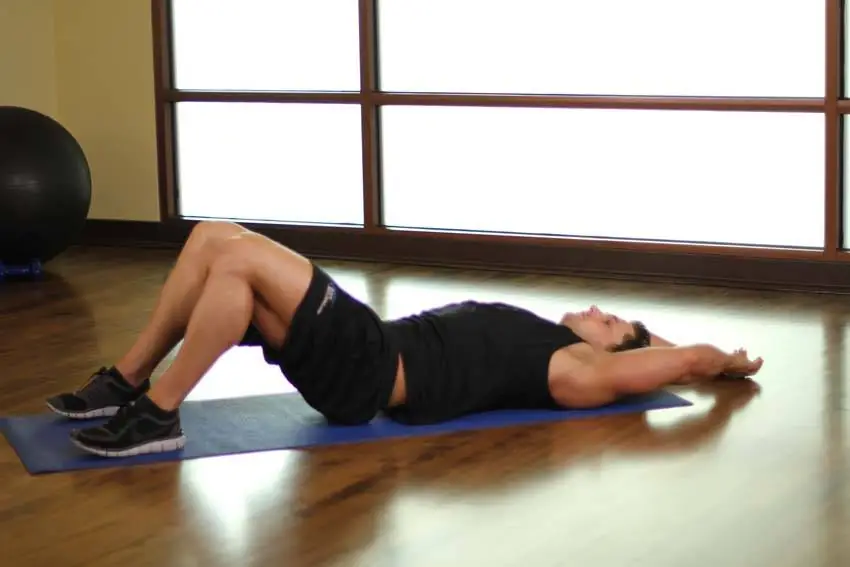
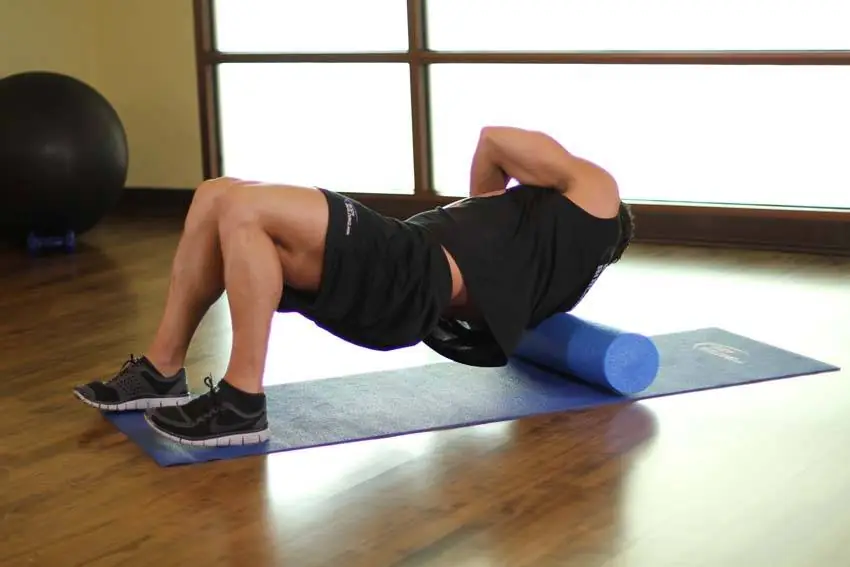
You lie on your back with a foam roller positioned under your upper back, cross your arms in front of your chest, and extend your shoulders so your shoulder blades spread apart. This arm position exposes the rhomboids directly to the roller's pressure, like pulling back a curtain to let the sunshine in. You lift your hips off the floor and shift your weight onto the foam roller, then start rolling from your mid-back up to your upper back, pausing at any tension points for ten to thirty seconds.
The sensation is intensely focused — you'll feel the roller pressing directly into those muscles that have been quietly storing all the stress from your desk job, your commute, and that argument you had three days ago that you're definitely over but your rhomboids aren't. Breathe deeply at each tender spot, letting the pressure do its work while your muscles gradually surrender their tension. Roll both sides, or focus on whichever side feels more like it's been through a wrestling match. Regular attention here will improve your shoulder mobility, reduce upper-back pain, and make you a more pleasant person to be around — though I can't scientifically verify that last claim.