The Cable-Driven Overhand Hoist
Trail Log · Movement Breakdown
The reverse cable curl takes the same palms-down grip concept and applies it to a cable machine, which means you get constant tension throughout the entire range of motion instead of the variable tension you get with free weights. It's like the difference between a conversation with someone who's fully engaged the whole time versus someone who zones in and out — cables never zone out.
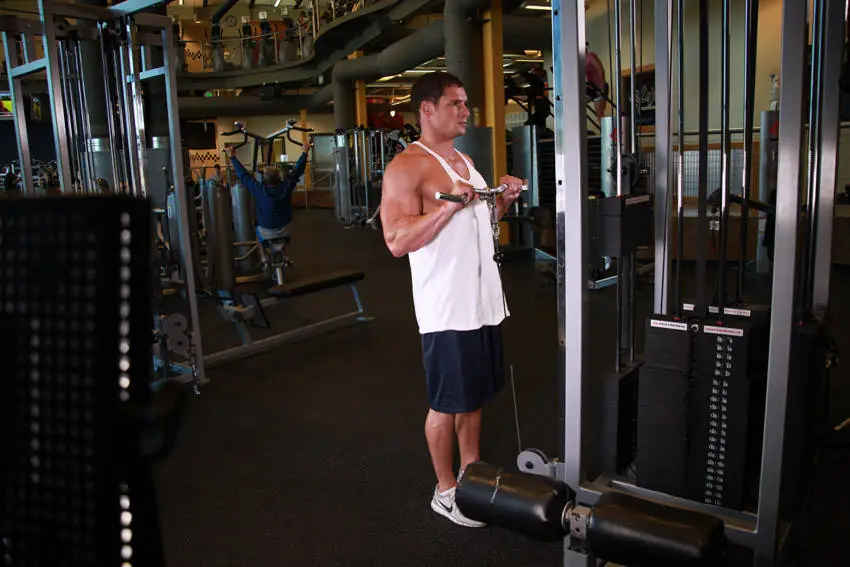
You stand upright holding a straight bar or EZ bar attachment connected to a low pulley, using an overhand grip at shoulder width. Your elbows stay tight against your torso, because the moment they start drifting forward, you've invited your shoulders to a party they weren't invited to. This is an arm exercise, and we need to keep it that way.
Keeping your upper arms completely stationary, you curl the attachment upward until your biceps reach full contraction and the bar is at shoulder height. Hold the squeeze for a second — really feel those muscles working, because the constant cable tension means there's no resting point in this movement, not even at the top. Then slowly lower the bar back to the starting position, fighting the cable's steady pull all the way down.
The reverse grip shifts emphasis to the brachialis and forearms, and the cable provides uniform resistance that free weights simply can't match at certain points in the range. This combination makes the reverse cable curl uniquely effective for building arm thickness and forearm endurance simultaneously. Use a moderate weight, focus on the squeeze, and let the cable do what cables do best — provide relentless, even resistance from start to finish.