The Band-Unloaded Iron Uprooting
Trail Log · Movement Breakdown
The reverse band deadlift is a training trick that makes heavy deadlifts feel lighter at the bottom and heavier at the top, which sounds like a riddle but is actually a brilliant way to overload your lockout without crushing your lower back at the start. You set up a barbell on a power rack, anchor bands from the top of the rack to the bar, and now you've got a deadlift that's deceptively easy off the floor and brutally hard at the top.
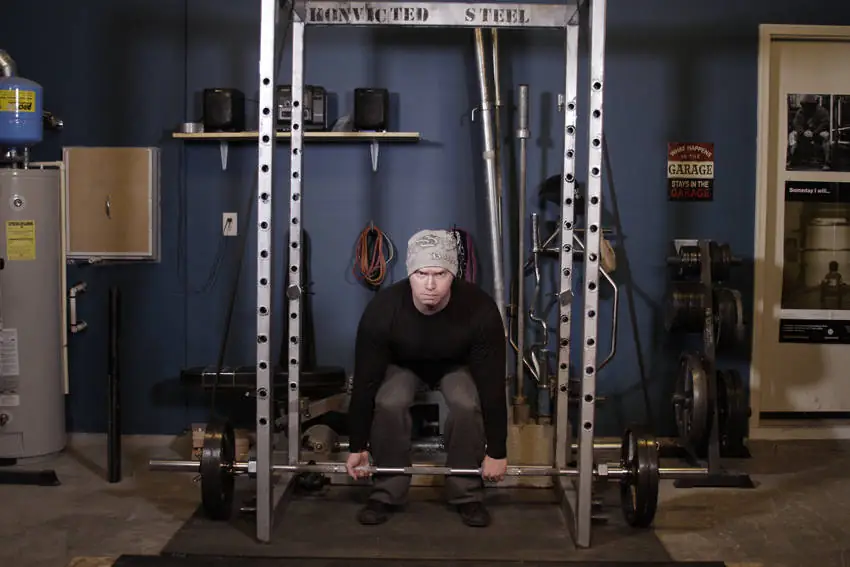
You approach the bar, center it over your feet positioned about hip-width apart, bend at the hips to grip the bar at shoulder width, and let your shoulder blades extend. Take a deep breath, drop your hips, bend your knees until your shins touch the bar, and start driving through your heels. With your chest up and back arched, the weight rises off the floor with less effort than you'd expect, because the bands are supporting part of the load.
But as the bar climbs higher and the bands lose their stretch, more and more of the actual weight transfers to you. By the time you reach lockout, you're holding the full brunt of whatever's on the bar, and your hips and back have to finish the job with everything they've got. After locking out with your shoulders pulled back, you lower the bar by hinging at the hips and guiding it back to the floor. This exercise builds supreme confidence with heavy weights and powerful lockout strength, both of which are essential for anyone chasing a big deadlift.