The Band-Aided Low-Bar Descent
Trail Log · Movement Breakdown
If you thought regular power squats were demanding, wait until you add reverse bands to the equation. The reverse band power squat combines the low-bar, hip-dominant squat pattern with the accommodating resistance of bands anchored above the bar, creating an exercise that's lighter at the bottom and heavier at the top. It's like the squat is playing a prank on you, and the punchline is at lockout.
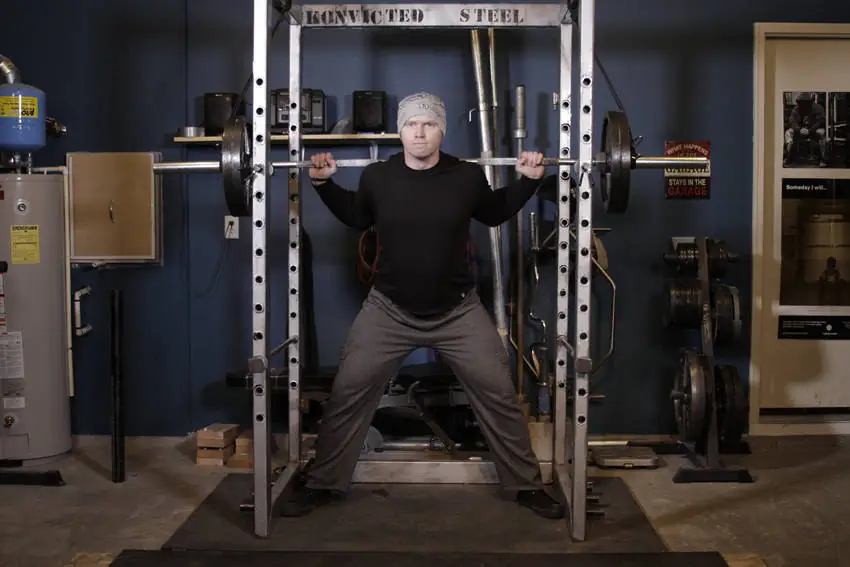
You set up inside a power rack, load the bar, and attach bands from the top of the rack to the barbell. Get under the bar, position it low across the back of your shoulders, squeeze your shoulder blades, and rotate your elbows forward to create that shelf. Walk the bar out with a tight lower-back arch and set your feet wide — this stance emphasizes your posterior chain: back, glutes, adductors, and hamstrings.
With everything braced from head to toe, you push your knees out and sit your hips back, descending until the crease of your hip aligns with the top of your knee — that's below parallel, and anything less doesn't count in the court of squat law. Pause briefly at the bottom where the bands are helping you the most, then drive up through your heels, fighting the increasing band tension as you rise. The bands force you to accelerate through the sticking point, building the kind of explosive squat strength that translates directly to bigger numbers when the bands come off.